 Choisir votre langue / Choose your language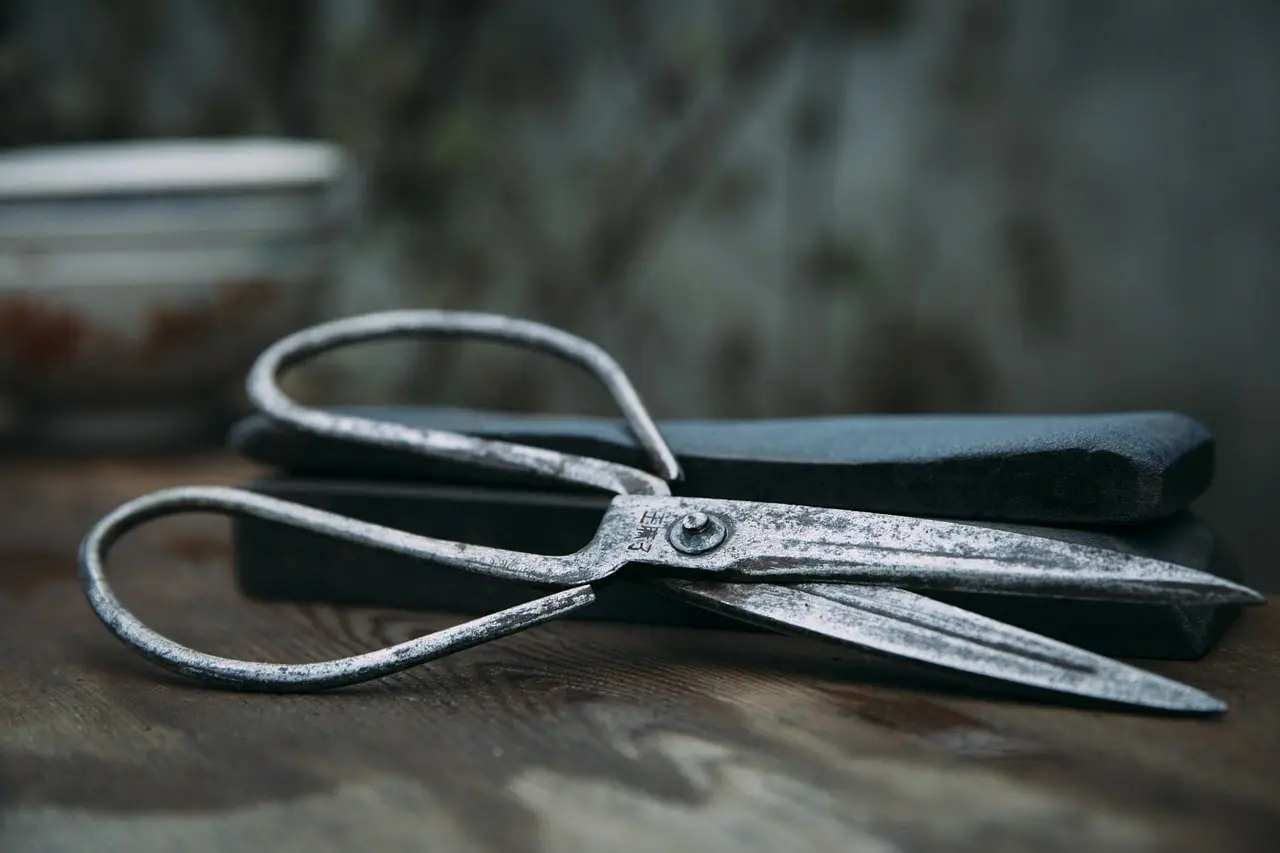
Image by Anna Shvets from pexels
When Tool Quality Becomes Essential for the Health of Your Trees
Claude Savard
CSCeramique
For any bonsai enthusiast, choosing high-quality accessories for your collection is essential. Bonsai is more than just a hobby; it is a demanding art form. It requires patience, precision, and a deep understanding of nature. At the heart of this practice lies the intimate relationship between the artist and the tree. Every cut, every ligature, directly influences the life and vitality of the tree. In this article, we will explore why using high-quality tools is not a luxury. It is an absolute necessity. It ensures the health and longevity of your precious bonsai trees.
Understanding the Tree: A Living Architecture
To grasp the importance of quality tools, it is essential to understand the internal structure of a tree and how it works. Even a miniature bonsai tree has the same complex systems as a full-size tree.
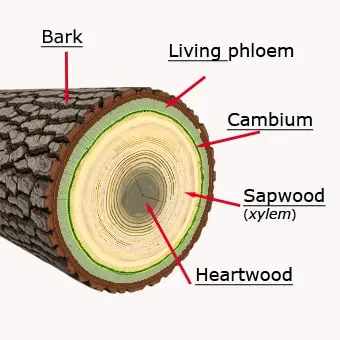
Image CSCeramique
- The Cambium: This thin layer of cells, located just beneath the bark, represents the core of the tree's growth. It is here that new xylem and phloem cells are formed. The xylem transports water and nutrients from the roots to the leaves. The phloem transports sugars produced by photosynthesis in the leaves to the rest of the tree. A clean, precise cut is essential. It must not damage this vital layer. This ensures the uninterrupted flow of sap.
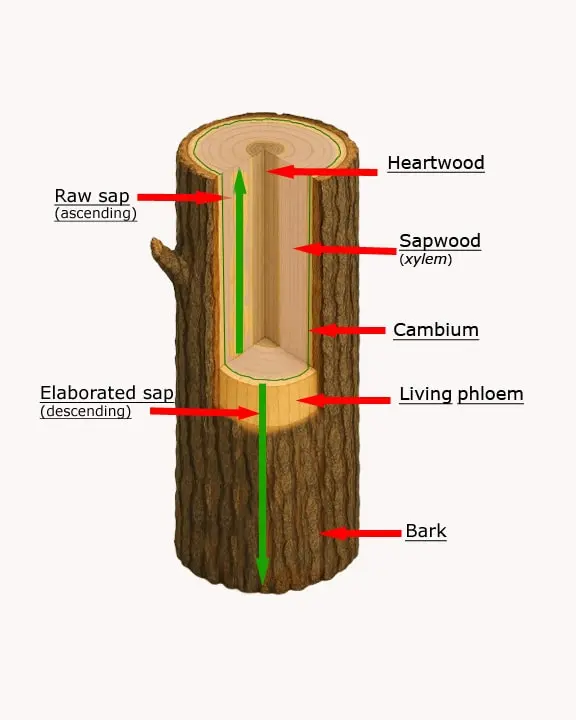
Image CSCeramique
- Vessels: Xylem and phloem consist of thousands of small vessels. Jagged or crushing cuts can tear these vessels. This severely disrupts the transport of nutrients and water, weakening the tree.
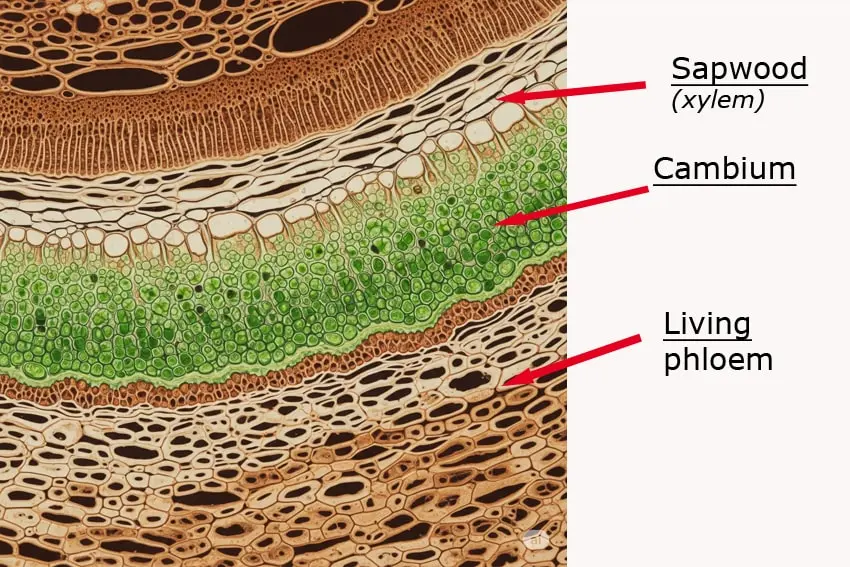
Image CSCeramique
- Buds and Nodes: Each cut influences the direction of future growth. A clean cut near a node or bud encourages healthy new growth and desirable branching. This is essential for the aesthetic formation of bonsai.
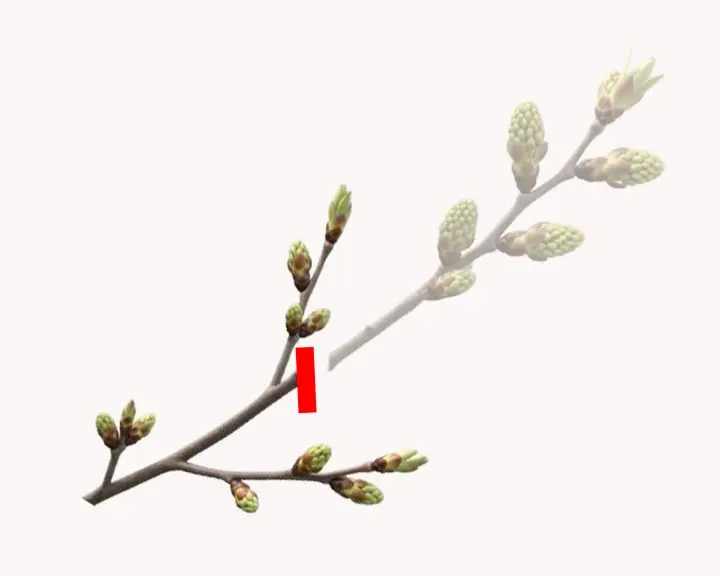
Image CSCeramique
Understanding this internal physiology reveals how the quality of the cuts is determined.
Tool Maintenance: As Important as the Cut Itself
Having quality tools is essential, but their maintenance is just as crucial. Regular cleaning, precise sharpening, and proper lubrication ensure their effectiveness and extend their lifespan. It's a simple act that prevents many problems.
Clean after each use.
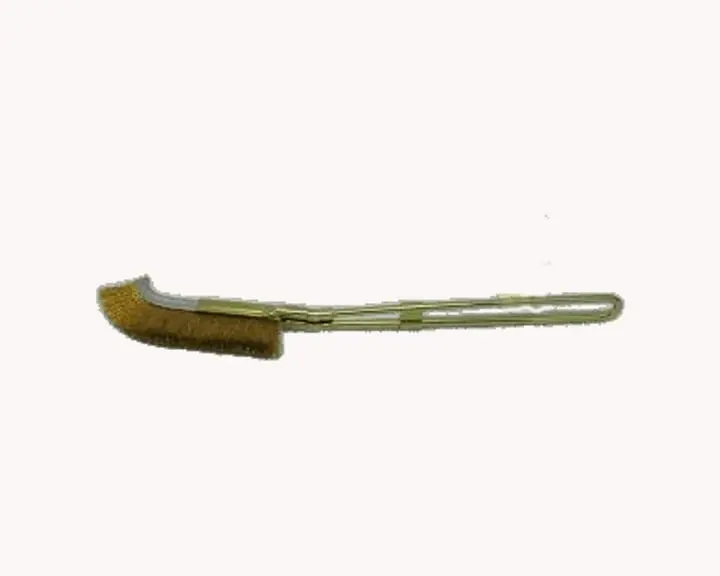

Image courtesy of
Art & Culture Bonsaï
After each use, clean your tools. Sap and resin, sticking to the blades, can quickly clog them up. This reduces their sharpness. Furthermore, they promote the spread of diseases among your trees. For effective cleaning, use a wire brush or a cloth soaked in isopropyl alcohol. A specific tool cleaner will also do the trick.
Sharpen for a clean cut
Sharp tools are key to clean, precise cuts. Learn to sharpen them yourself, or entrust this task to a professional. Regular sharpening is crucial: it maintains cutting accuracy and reduces the effort needed.
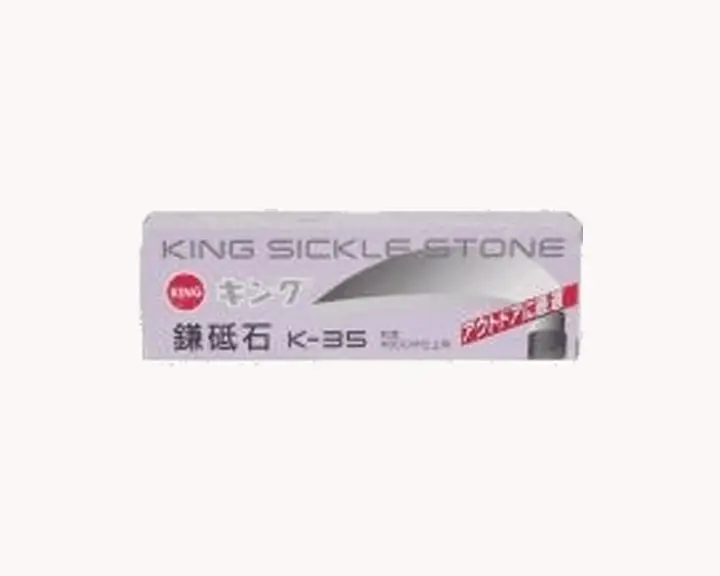
Image courtesy of
Art & Culture Bonsaï
Lubricate and protect from rust

Image courtesy of
Art & Culture Bonsaï
After cleaning and sharpening, apply a thin layer of oil, such as camellia oil. This prevents rust, especially for carbon steel tools, and ensures smooth operation. It's an essential protection.
In short, investing in high-quality bonsai tools and maintaining them with care are the cornerstones of successful bonsai cultivation. Your tools are not mere accessories; they are an extension of your hand, allowing you to interact with the tree in the gentlest and most beneficial way possible. This is how we honor the life of these miniature trees and perpetuate the art of bonsai in all its splendor.
When Tool Quality Becomes Essential
Part 2 ...
Part 3 ...
( not available at this time )