 Choisir votre langue / Choose your language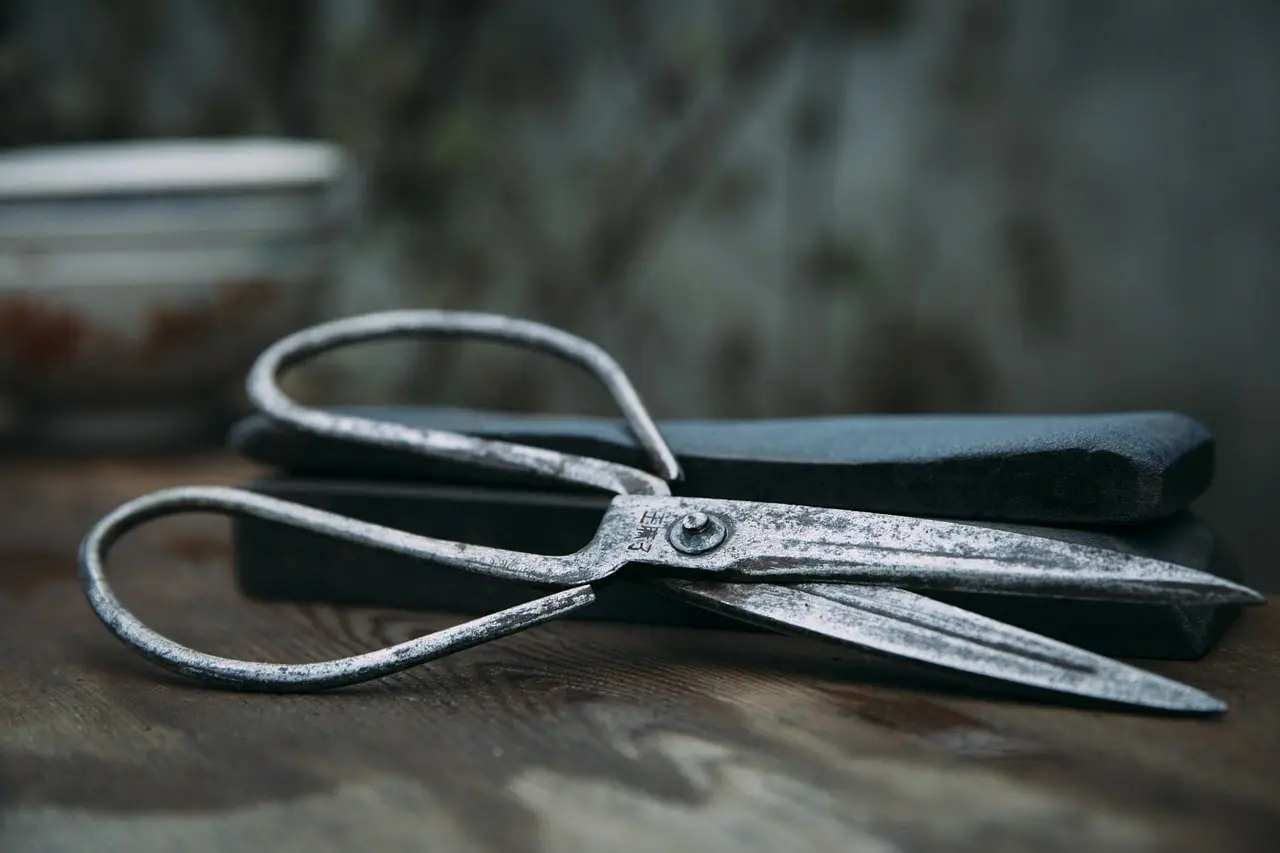
Discover specialized bonsai tools for precise work on your collection
Claude Savard
CSCeramique
Welcome to this final installment of our series dedicated to specialized bonsai tools. In this article, we focus on complementary accessories and equipment designed to support precise, advanced work on your trees. These tools allow you to gradually move beyond routine maintenance toward more refined and detailed bonsai techniques.
As mentioned previously, tool quality remains a fundamental criterion. A tool used on hard wood or during demanding operations will wear out quickly or even break if it is poorly made. Investing in durable, well-crafted tools is therefore the first step toward a confident, efficient, and enjoyable practice. Let’s take a closer look at these essential allies that support the ongoing development of your bonsai collection.
Wound Sealant Paste
Wound sealant paste plays a crucial role in protecting cuts made during branch pruning. It helps prevent infection, reduces sap loss, and promotes even, long-lasting healing.
Generally, two types of sealant paste are available on the market:
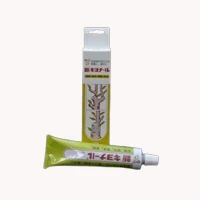

Image courtesy of
Art & Culture Bonsaï
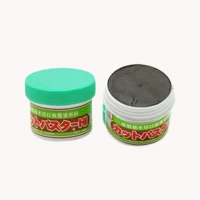
Image courtesy of
Art & Culture Bonsaï
Cleaning Brushes
Brushes are essential for the regular cleaning of bonsai trunks. Over time, moss often develops at the base of the trunk. Because moss retains moisture, it can be harmful to certain species.
There are mainly two types of brushes:
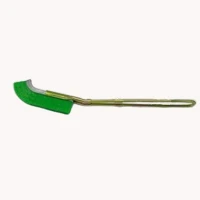
Image courtesy of
Art & Culture Bonsaï
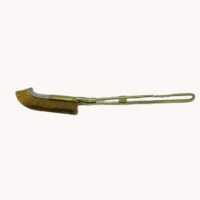
Image courtesy of
Art & Culture Bonsaï
Economical tip: :
For a small collection, a worn toothbrush can work perfectly as a soft brush. Cleaning may take a bit longer, but the results will still be satisfactory.
Soil Sieves
When purchasing pre-mixed bonsai soil, sieves are not strictly necessary. However, if you prepare your own mixes, a set of sieves quickly becomes indispensable.
Sieves are used to sort particles by size. Some models allow very fine screening, down to 1 mm. The 1 mm sieve is particularly important because it removes dust and overly fine particles, which tend to clog the bottom of the pot and restrict root aeration.
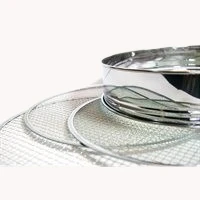
Image courtesy of
Art & Culture Bonsaï
When preparing soil mixes, it is important to anticipate material loss due to the removal of fine particles. Alternatively, substrates can be purchased from specialized suppliers already pre-sieved and ready for use.
The Repotting Knife
Often underestimated, the repotting knife is nonetheless an essential tool. It must have a thin, rigid, and perfectly sharpened blade.
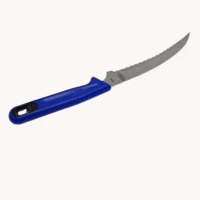
Image courtesy of
Art & Culture Bonsaï
For this reason, hunting knives or pocket knives should never be used. Their thick blades exert excessive pressure on the pot walls and can cause cracks or even complete breakage.
Knob Cutters
Knob cutters are particularly useful for removing branches directly from the trunk or primary branches. They create a concave cut that slightly penetrates the phloem and cambium layers.
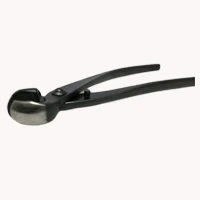
Image courtesy of
Art & Culture Bonsaï
Splitting Pliers for Deadwood
For deadwood work, splitting pliers are especially effective. They allow the wood to be split by inserting the jaws directly into the grain. This technique makes carving easier and gives the tree a more natural, aged appearance.
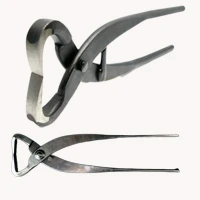
Image courtesy of
Art & Culture Bonsaï
In conclusion
The world of bonsai offers a wide range of tools, available in many formats and at very different price points. Some will quickly become indispensable, while others will remain optional depending on your working style and objectives.
To make the best choices, it is strongly recommended to consult specialized bonsai retailers. These professionals use these tools daily and can guide you effectively based on your experience level, your trees, and the evolution of your collection.
By investing in appropriate, high-quality tools, you will gain efficiency, precision, and consistency. Over time, these choices will be directly reflected in the health, structure, and aesthetics of your bonsai.